Next Page
For the second series of the new 6C 2300 the chassis came in for a major revision. Here was another step into the future, Now by 1934 the mass market auto manufacturers of the US were beginning to adopt independent front suspension. The choice was generally the unequal A arm. Jano went a different route. Independent front suspension has two different effects on motion. One is, upon the movement of spring and restraint of shock, the track is altered, the other is the wheelbase is altered. The former is a result of unequal A arm IFS. The Latter is swing arm IFS. The benefit of the latter is that the flat plane of the tire tread is in complete and constant contact with road surface through the cycle of suspension travel. That is what Jano chose for the 6C 2300. How he engineered it and implemented it is shown below.
To move the 6C 2300 further into the realm of the modern, Jano designed an independent rear suspension system. Now this is something few to none of the 1930s automobile manufacturers designed or implemented. For most it was beyond their comprehension, and certainly beyond their series, or even limited, production budgets. Even his choice of springing system was singular and ingenious. He went with a twin torsion bar springing system.
So as some were using impressive casting techniques to move forward with the past of side valves, and developing beyond the suspension and chassis of first stage solid axles, Alfa was building the 6C 2300 for both road car customers and competition.
These details of Alfa engineering are pointed out here to make the simple point of the depth and scope of engineering manufacture involved in The Design Cast Ltd’s operation.
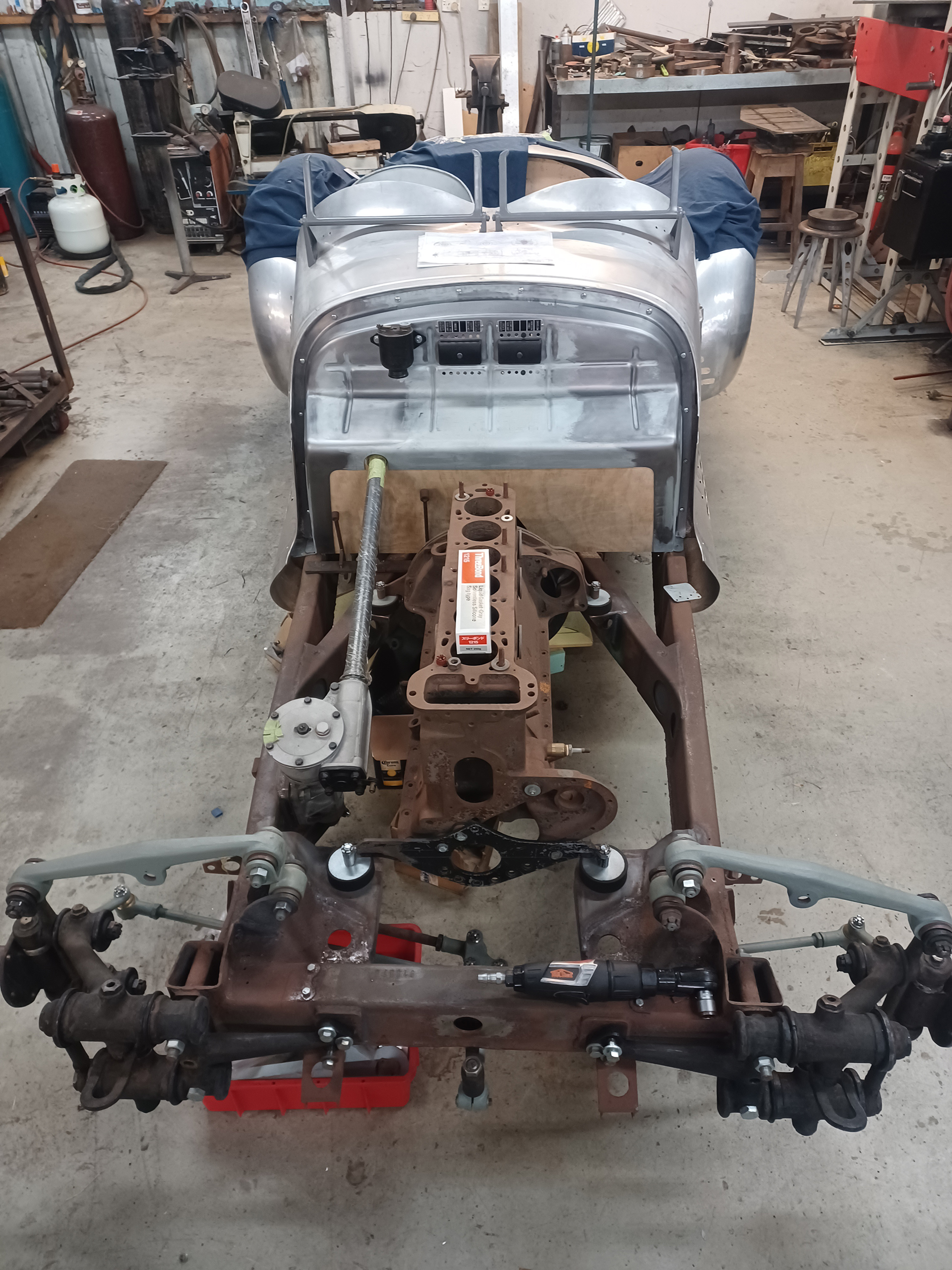


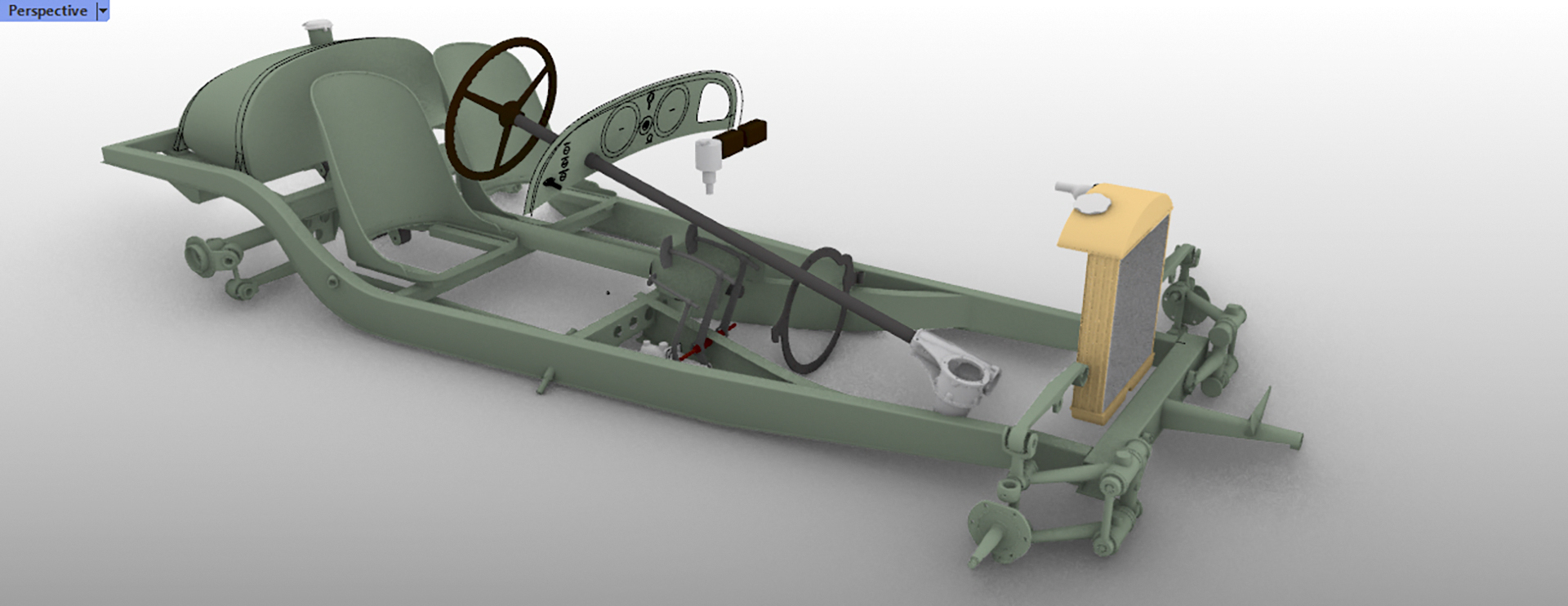
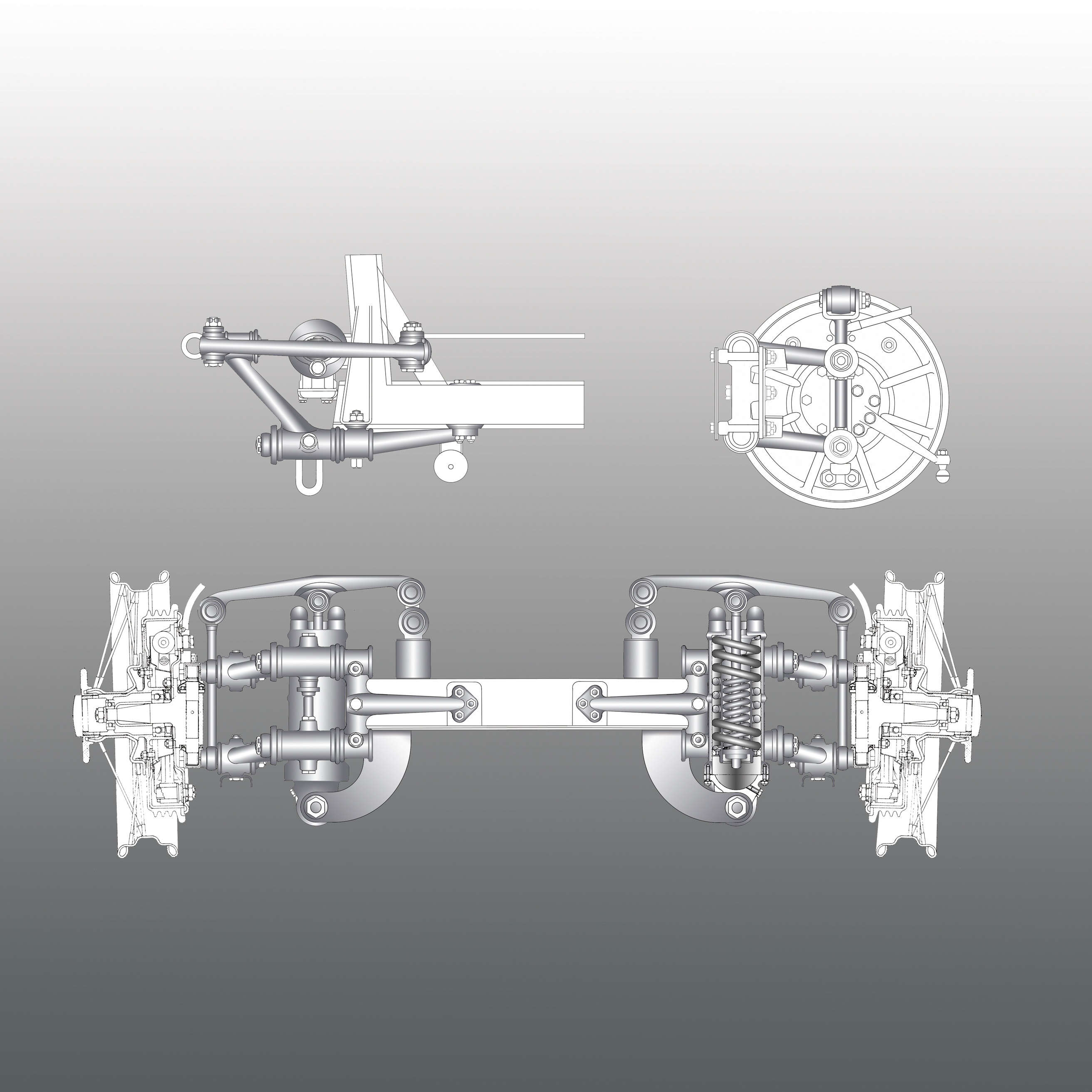
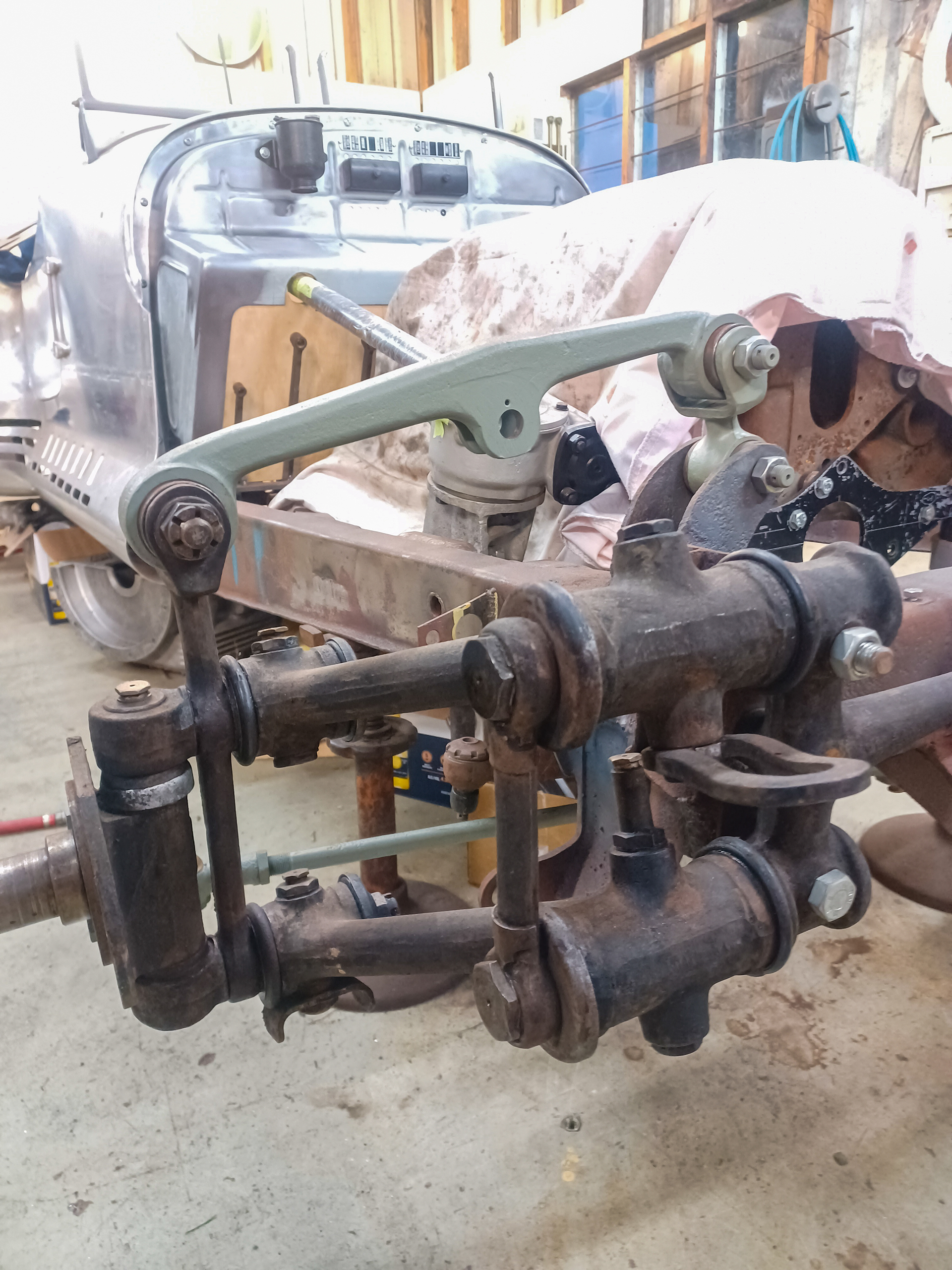
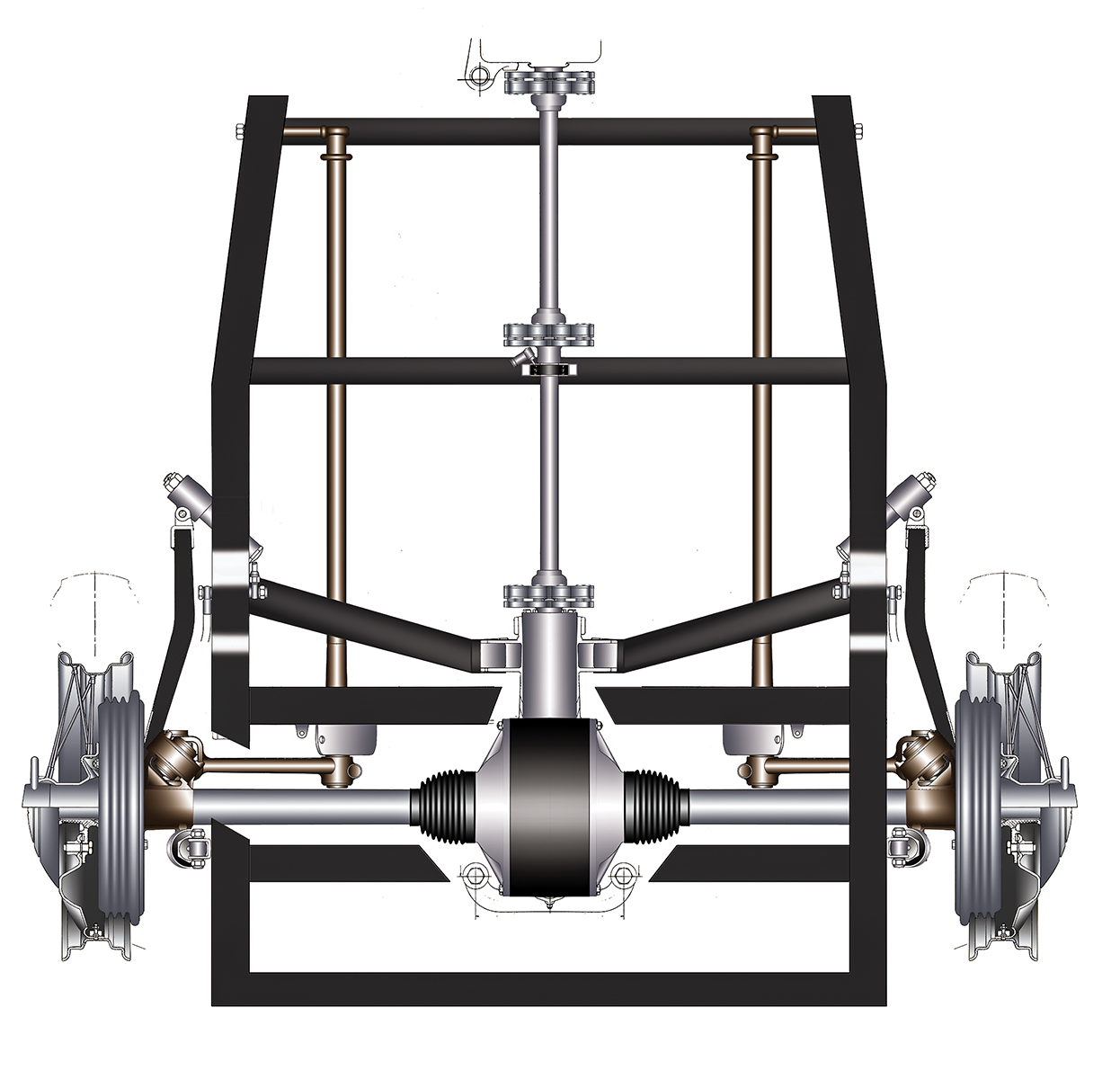
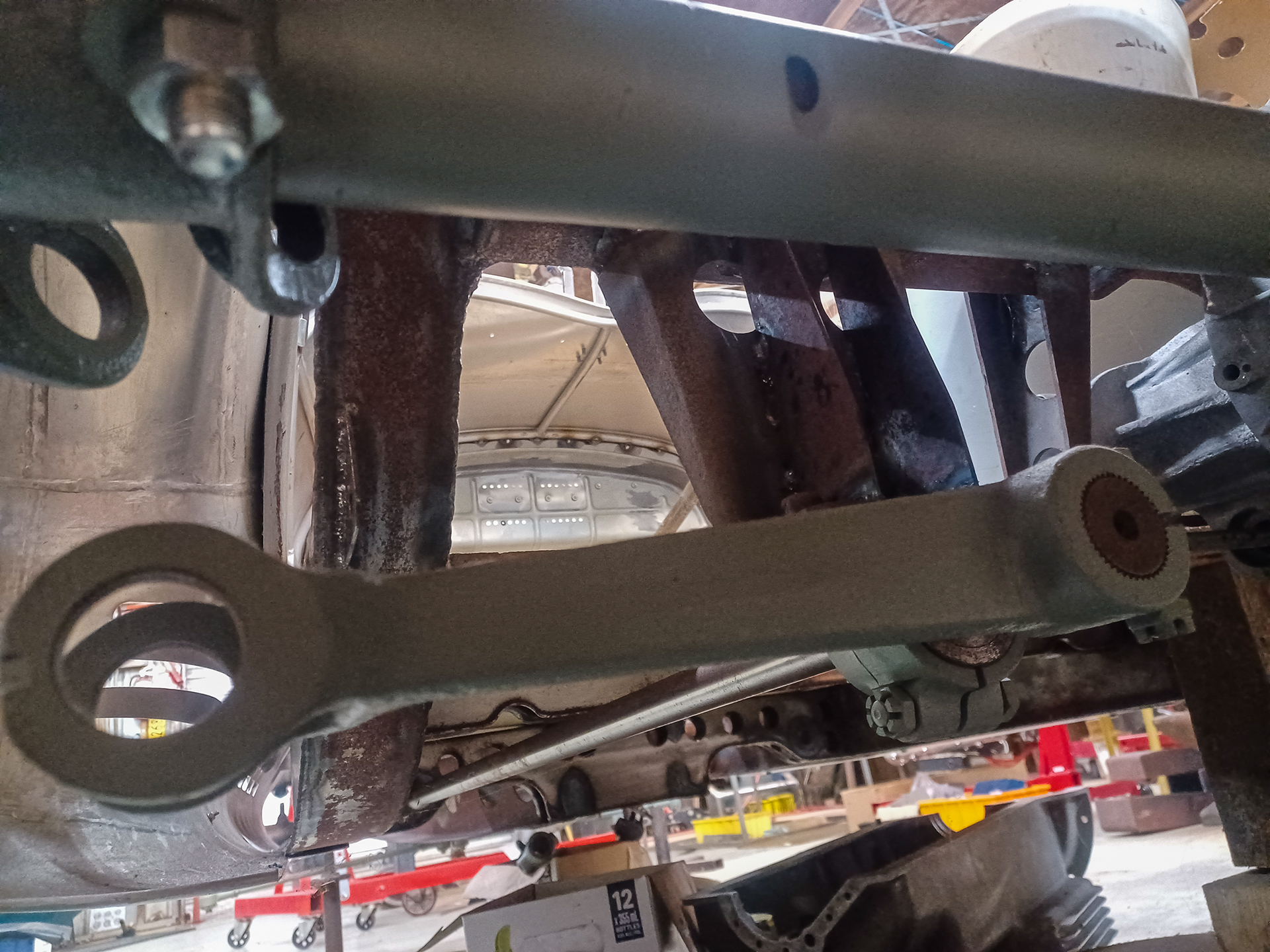
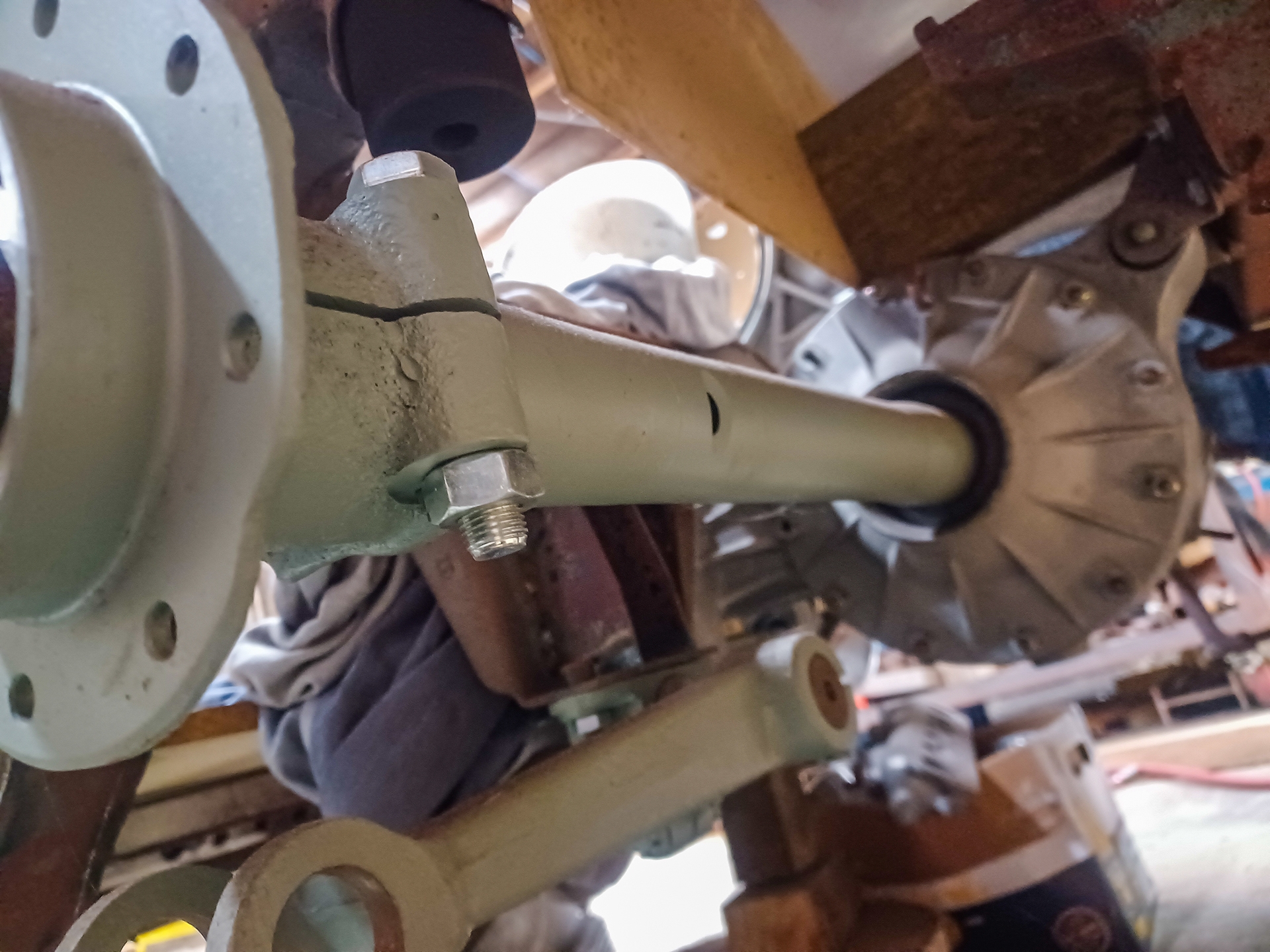
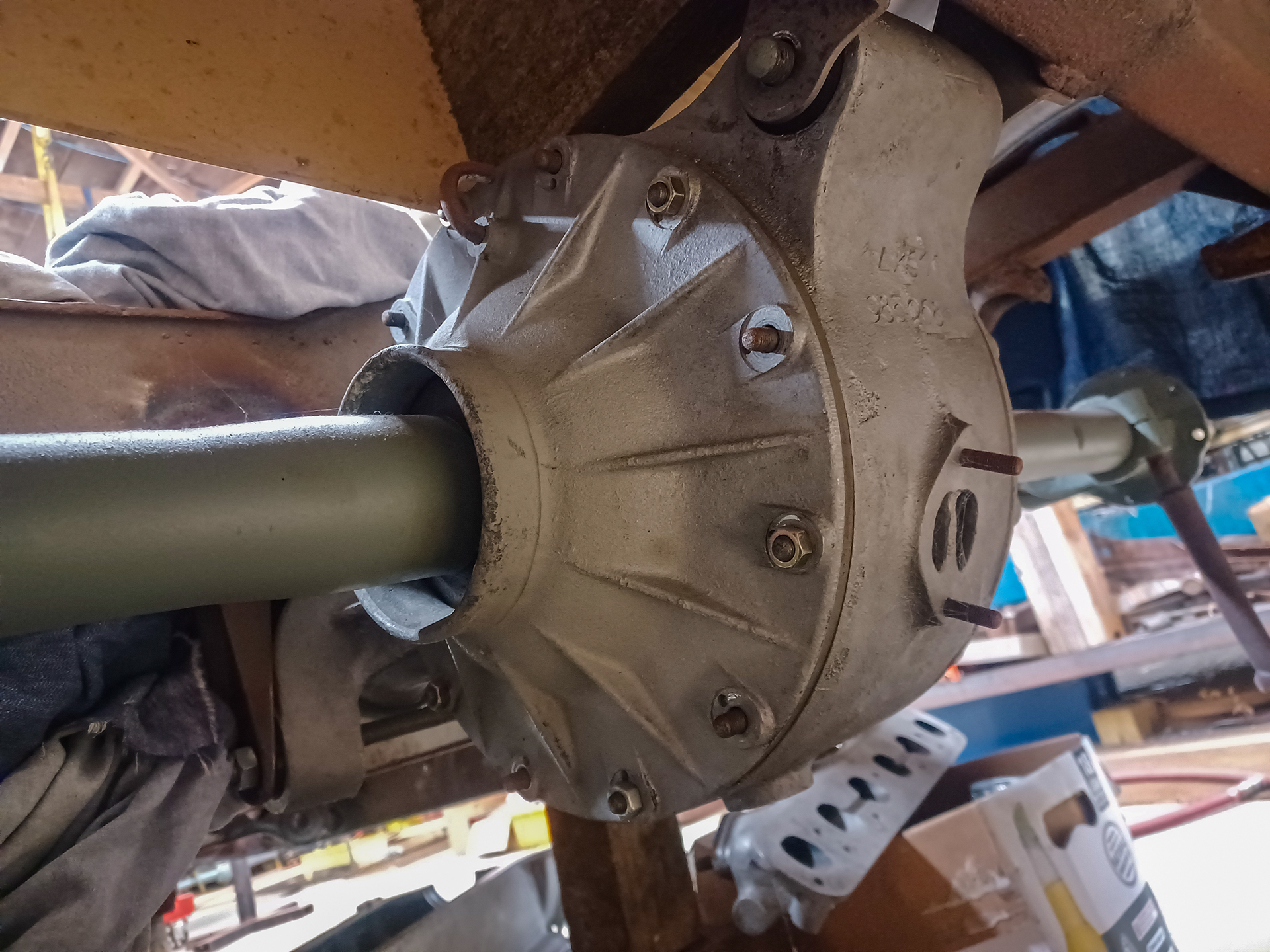
To put these photos and illustrations in perspective, let’s look around the auto industry in the mid-1930s, when the 6C 2300 was released.
The big automotive news in the States coming into the mid 1930s was Henry Ford’s team coming up with the flat head V8 for the Model A, and GM’s progressive adoption of independent front suspension.
Alfa made its major new product move for 1934
The new 6C 2300 was Alfa’s customer road car. Here the Milanese Marque was consolidating all their customer cars to twin cams, in 1934.
While one could assume that the new 6C 2300 was an extension of the 6C line, from the 1500 to 1900 series, it was not. The new 6C was entirely new architecture. This architecture point is made fully apparent by the fact that the 6C series previously were either vertical shaft drive for the single cams or gear driven for the twin cams.
For the 6C 2300 Alfa was moving into the future with the new triplex chain drive twin cam for the complete line of Tourismo sedans and competition & high performance road cars.
As we have previously seen in this photo essay the full race engines were the Twin block straight eights of the 8C 2300 through 8C35. This was a center gear tower cam drive engine designed for supercharging. The gear tower driving the roots blower as well.
The full race versions of the 6C were designed for supercharging, as we have seen in the 6C 1500 SS through 6C 1750 GS. Here the new 6C 2300 was designed to address new competition rules that moved beyond supercharging, to normally aspirated competition engines.